
Loading...
Serving Visalia, CA and surrounding areas. (559) 557-4112
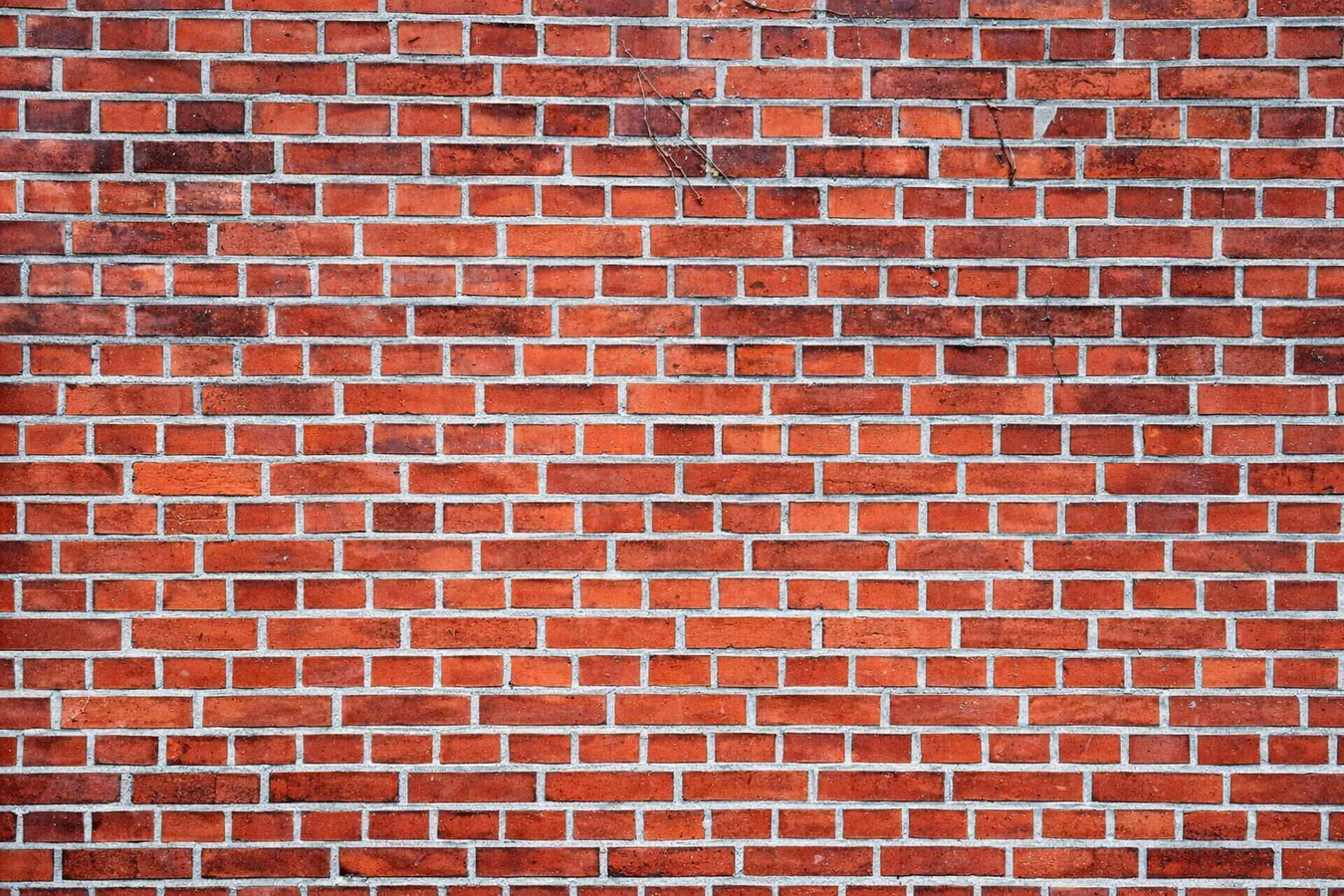
Crumbling mortar joints let water into your brickwork every time it rains - and in Visalia, that damage compounds fast. We repoint chimneys, garden walls, and planters before small cracks become a full rebuild.
Brick pointing in Visalia - also called repointing or tuckpointing - is the process of removing crumbling mortar from between bricks and replacing it with fresh mortar, protecting the brickwork from water damage. Most residential jobs take one to three days, and the bricks themselves stay in place throughout.
Mortar is intentionally softer than brick so it absorbs stress - from temperature swings, soil movement, and seasonal moisture - rather than letting the bricks crack. That means mortar wears out first, usually after 25 to 50 years, and when it goes, water gets in. In Visalia, where summer heat above 100 degrees and winter tule fog both put pressure on brickwork, mortar tends to fail faster on sun-exposed walls than most homeowners expect.
If your brick feature has more than just failing mortar - loose or cracked bricks, significant shifting, or structural concerns - you may also want to look at our masonry restoration service, which covers more extensive repairs beyond repointing alone.
Run your finger or a house key along the joints between bricks. If the material flakes away or comes out easily, the mortar has lost its binding strength. This is the clearest sign that repointing is overdue - and the sooner you act, the less likely water has already worked its way into the wall behind the surface.
White, chalky staining - called efflorescence - appears when water moves through mortar joints and carries dissolved minerals to the surface. In Visalia, this is especially common after the winter tule fog season. The stain itself can be cleaned, but it is your brickwork signaling that a moisture pathway exists and needs to be closed.
Stand back and look at the mortar lines. Healthy joints are relatively even and slightly recessed. If you see joints that look hollow, cracked lengthwise, or that have pulled away from the brick edges, those gaps are open invitations for water. On Visalia homes with south- or west-facing walls, this kind of sun-driven deterioration is especially common.
Cracks that follow the mortar joints in a diagonal stair-step pattern are a sign the structure has shifted slightly - often due to the clay soil movement common in Tulare County. This does not always mean the structure is unsafe, but it does mean the joints have been stressed and need professional attention before the cracks widen further.
We repoint chimneys, garden walls, retaining walls, planters, decorative brick features, and home exteriors throughout Visalia and the surrounding area. Every job starts the same way - we probe the existing joints to determine how deep the damage goes and mix new mortar to match the age and type of your bricks. Using mortar that is too hard for older bricks causes them to crack and spall over time, which turns a straightforward repointing job into a full brick replacement. Getting the mix right is the most important technical decision in any repointing project, and it is where cheap work most often cuts corners. If your structure shows signs of damage that go beyond mortar - loose brick, settlement cracks, or water infiltration behind the wall - we flag those issues honestly and connect the work to our foundation repair service when the underlying cause involves soil movement at the base.
Chimney repointing is one of the most common requests we get, and it is also one of the most important for safety. Deteriorated mortar in a chimney can allow heat and combustion gases to escape into wall cavities. We assess chimneys for mortar condition, flashing integrity, and any other issues visible during the inspection. For broader masonry work on the same property - repairs, restorations, or new features - our masonry restoration service covers larger-scale structural repairs beyond what repointing alone can address.
Best for homeowners with brick chimneys that have not been serviced in 10 or more years, especially in Visalia homes built before 1980.
A good fit for original mid-century planters and walls that are showing cracked joints or efflorescence but still have solid brick.
Suits homeowners with brick retaining walls where stair-step cracks or open joints have appeared after winter rains or dry-season soil contraction.
The right choice for homes where a section of exterior brickwork has deteriorated faster than the rest, particularly on south- or west-facing walls.
Visalia's climate puts unusual pressure on mortar joints from two directions at once. Summer heat regularly tops 100 degrees F, and that sustained high temperature causes mortar to expand and contract repeatedly over the years, wearing it down faster than in milder climates. South- and west-facing walls - the sides that take direct afternoon sun - deteriorate first and fastest. At the same time, winter brings the valley's famous tule fog, which keeps brick surfaces damp for extended periods. That persistent moisture works into any existing gap in a joint, and when temperatures dip overnight, it causes minor damage that accumulates season after season. Many Visalia homeowners do not notice the problem until the white staining appears or a chunk of mortar falls out.
Older housing stock throughout central Visalia adds another layer. Many homes built between the 1940s and 1970s have original brick chimneys, planters, and decorative walls that have never been repointed. Mortar from that era is often at or past the end of its useful life - it may look intact from a distance but crumble when touched. Homeowners in Tulare and Exeter deal with the same combination of older housing stock and Valley climate, and we approach every job in those areas with the same understanding of what local conditions have done to the mortar over time.
We will ask a few basic questions - what type of structure it is, roughly how old the home is, and what you have noticed. We respond within one business day and schedule a time to look at the brickwork in person, because the depth and extent of mortar damage are hard to judge from a photo alone.
We probe the mortar joints to assess how deep the damage goes and check whether any bricks are loose or cracked. You will receive a written quote - a reputable mason will explain what they found and why they are recommending what they are, so you know exactly what you are paying for.
We use grinders and chisels to remove old mortar to the right depth - at least three-quarters of an inch - then dampen the brick and pack in fresh mortar in sections. You will hear grinding and tapping throughout the day. Most crews finish a standard chimney or garden wall in one to two days.
Once the joints are finished, we clean excess mortar off the brick faces and walk the job with you before we leave. Fresh mortar needs to stay dry for at least 24 to 48 hours - avoid irrigation sprinklers near the repaired area for a few days, and skip pressure washing for at least a month.
Free estimates, no obligation. We reply within one business day and can usually schedule a site visit within the week.
(559) 557-4112Mortar that is too hard for your bricks will cause them to crack over time - a far more expensive repair than the original repointing. We select a mortar type suited to the age and composition of your existing brickwork and test color matching before committing to the full repair. This is especially important in Visalia's older neighborhoods where original brick has a specific look that mismatched mortar ruins immediately.
Effective repointing requires removing old mortar to a depth of at least three-quarters of an inch. Shallow removal leaves a thin layer of new mortar over a crumbling base, which fails quickly. We use grinders and chisels to reach the correct depth before any new material goes in, and we wet the joints before applying mortar so dry brick does not pull moisture out of the mix too fast.
Mortar applied in Visalia's peak summer heat dries too fast and weakens. We schedule repointing work in spring and fall when conditions are right, and during warmer months we lightly mist new joints to slow the cure and prevent surface cracking. That extra step is the difference between work that holds for 25 years and work that starts showing problems in the first summer.
Not every cracked joint is a repointing job - some problems point to deeper foundation or drainage issues that repointing will not fix. We will tell you honestly which situation you are dealing with before any work begins. The Brick Industry Association publishes guidance on proper repointing methods - we follow those standards on every project.
The combination of right mortar mix, correct removal depth, and proper curing is what makes repointing work last in Visalia's climate. Shortcuts in any one of those three areas show up quickly in a city that sees both extreme heat and persistent winter moisture.
When stair-step cracks in your brickwork point to soil movement at the foundation level, foundation repair addresses the underlying cause rather than just the symptoms.
Learn MoreFor brick or stone features that have damage beyond failing mortar - including loose bricks, structural settling, or water infiltration - masonry restoration covers the full repair scope.
Learn MoreSpring slots fill fast - schedule your inspection now before the summer heat makes repointing harder to do right.